Session 9: Birthcage
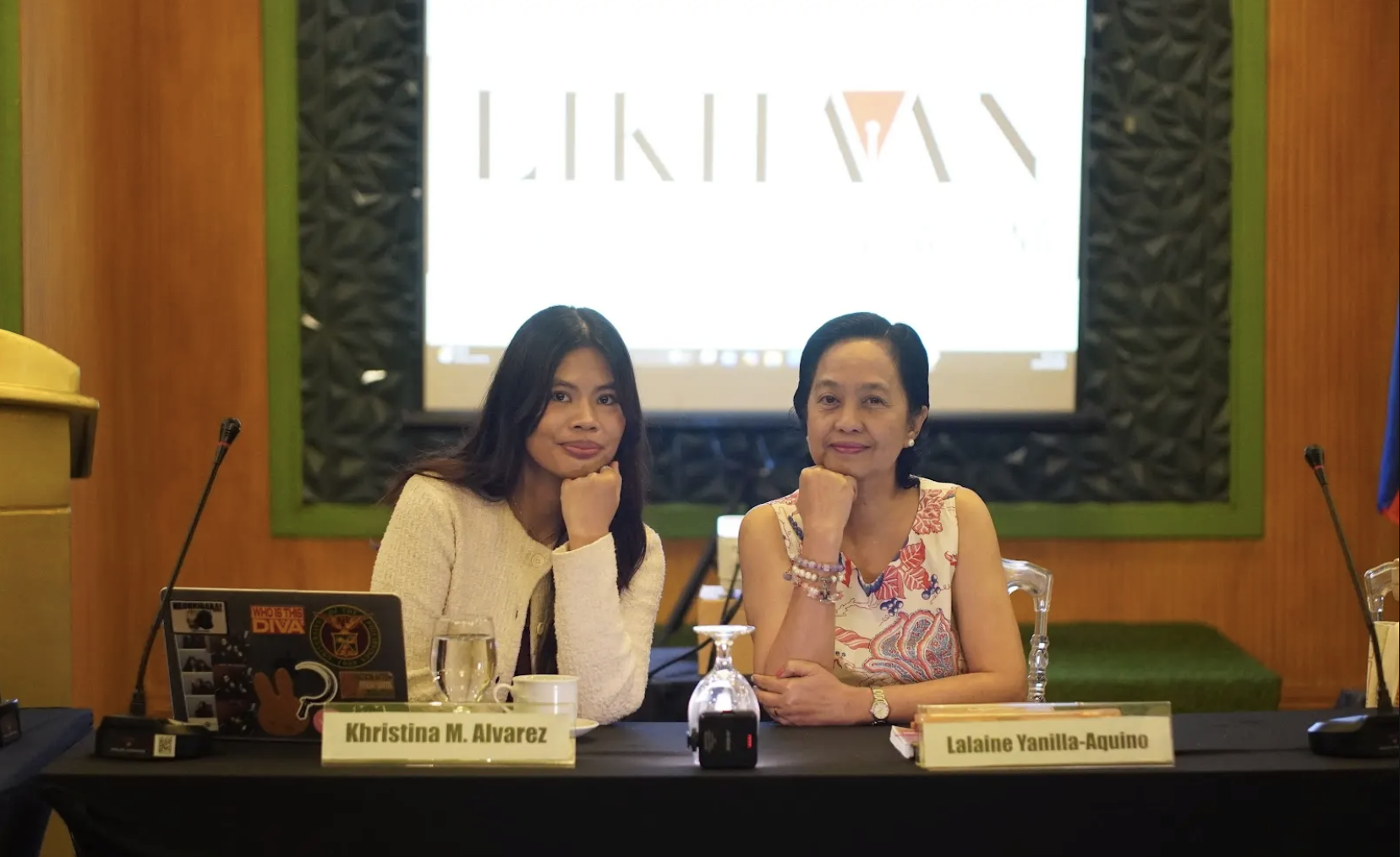
Fellow: Khristina Alvarez
Moderator: Lalaine Yanilla-Aquino
To introduce Khristina Alvarez’s “Birthcage,” Lalaine Yanilla-Aquino first impressed the significance and strategies associated with foregrounding in literature, citing M.A.K. Halliday’s definition of “motivated prominence”—a marked deviation or perpetuation of an established linguistic pattern. She cited the work’s title as an effective example of foregrounding and how its play on “birdcage” accentuates its themes of freedom, captivity, and the destinies determined by one’s birth.
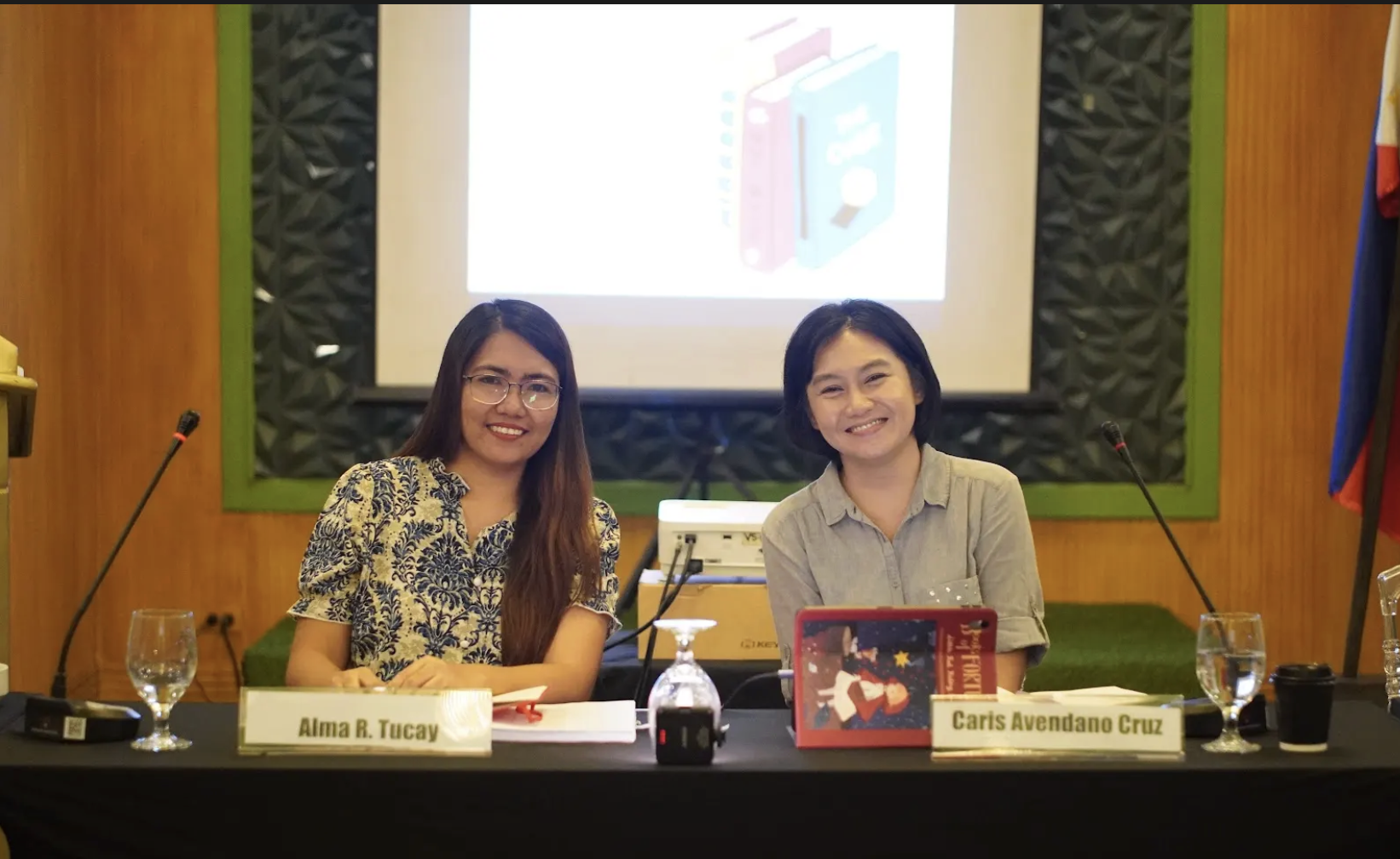
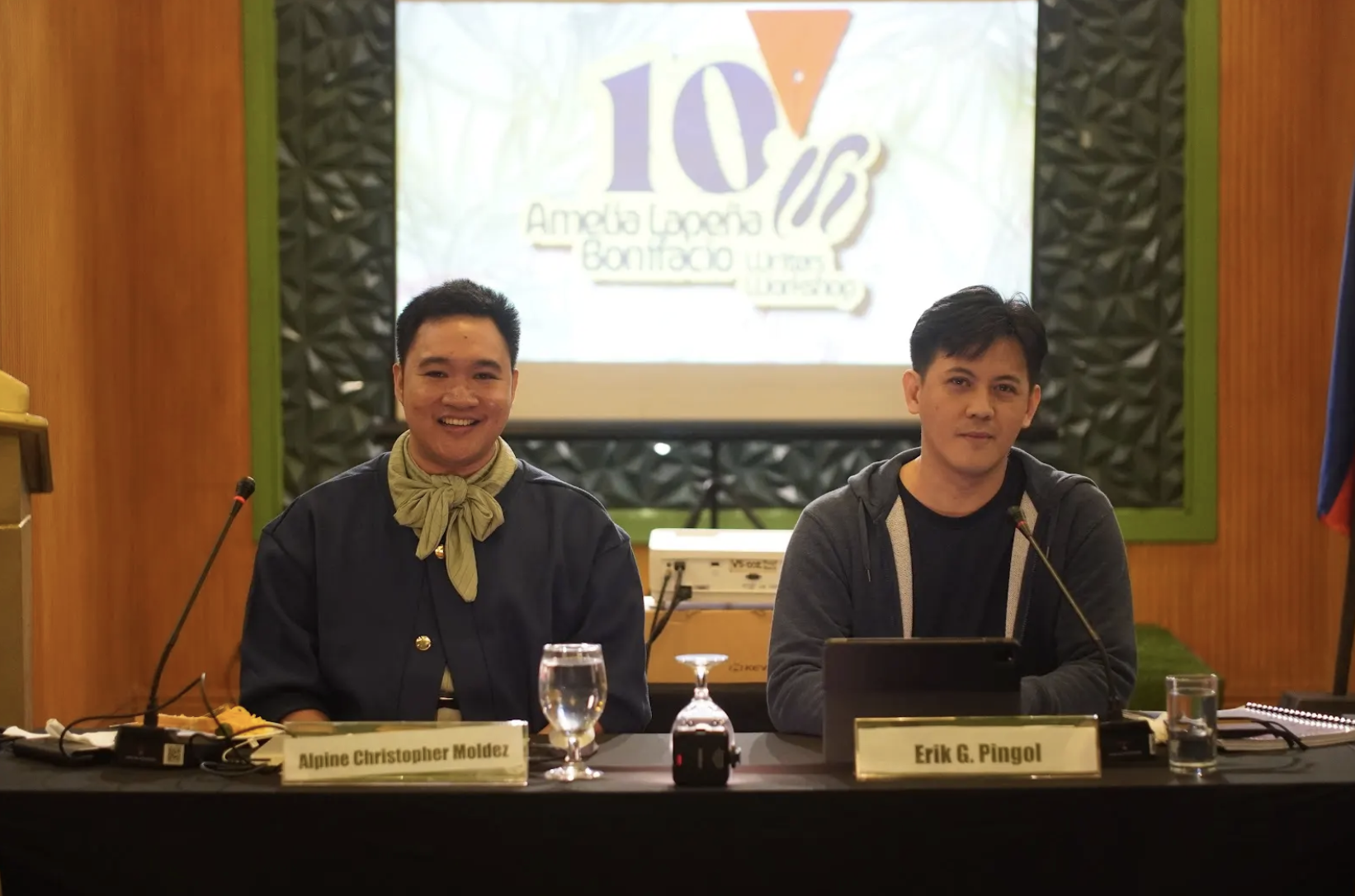
The importance of foregrounding was substantiated by Maria Araceli Baygan’s admission that she’d read the work bearing in mind the following question: “In what ways are the circumstances of our birth a cage?” She commended the work for being “very delicate” in its language and approach to depicting an anguished, emotionally neglected child. Other fellows had similarly high praise for the language, with Alpine Moldez likening its “functional beauty” to a Sampaguita garland—deftly woven, simple yet ornate. Meanwhile, Alma Tucay appreciated the inclusion of the superstitious beliefs surrounding one’s birth month, as it so distinctly situates the work’s setting and milieu.
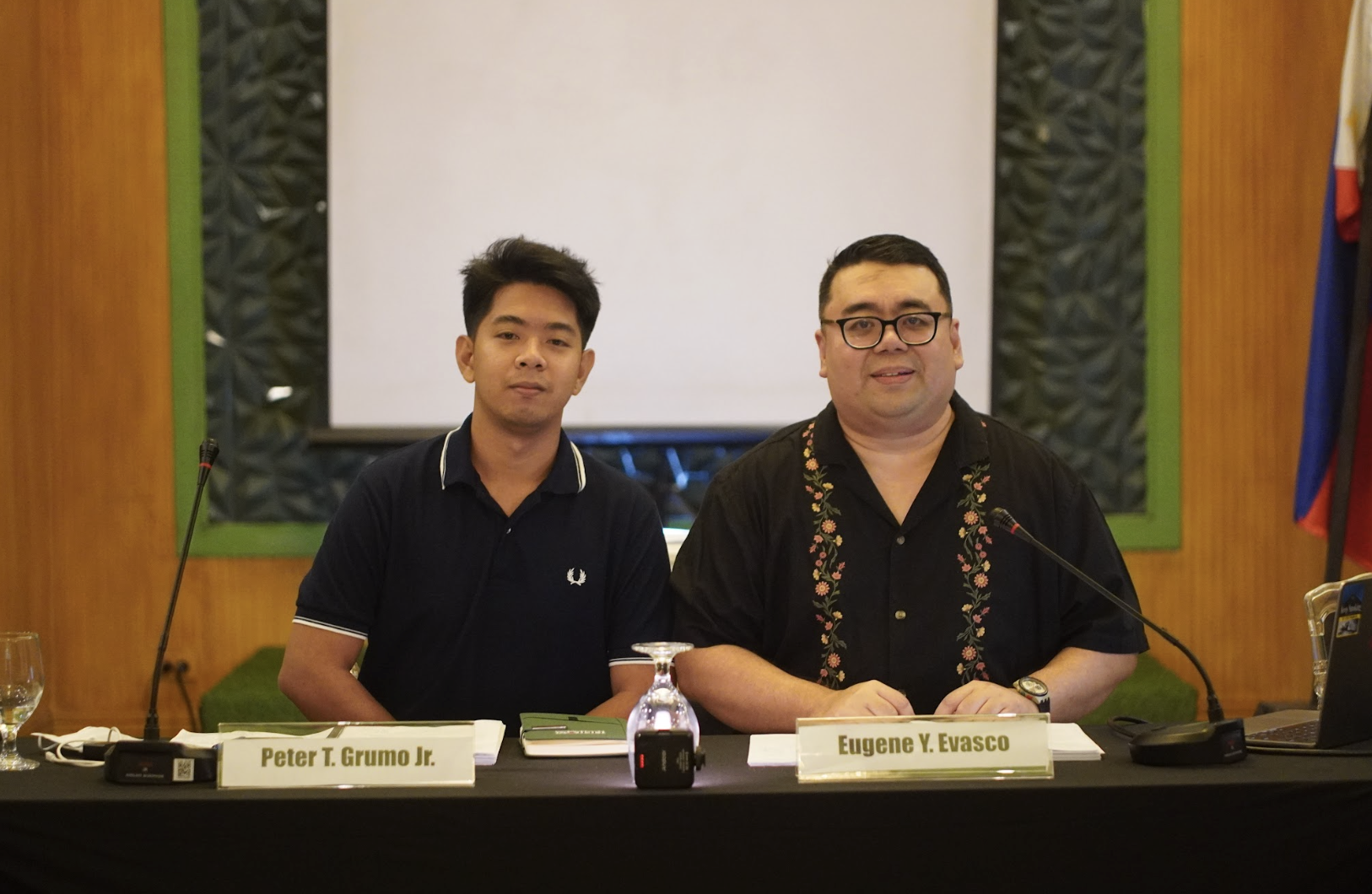
According to Ashley Cua, another one of the work’s strengths is its “interplay of tenderness and violence” as seen in the complex, fraught relations between the family members. While most fellows interpreted character Freddie’s freeing of the caged birds as a hopeful conclusion, panelist Erik Pingol highlighted a profound, bittersweet dimension to such a resolution: “Imbis na lumaya, parang lumuwang lang ang kulungan.” He also likened “Birthcage” to Harper Lee’s To Kill a Mockingbird in its tensioned, poignant confrontation of serious issues through a child’s eyes.
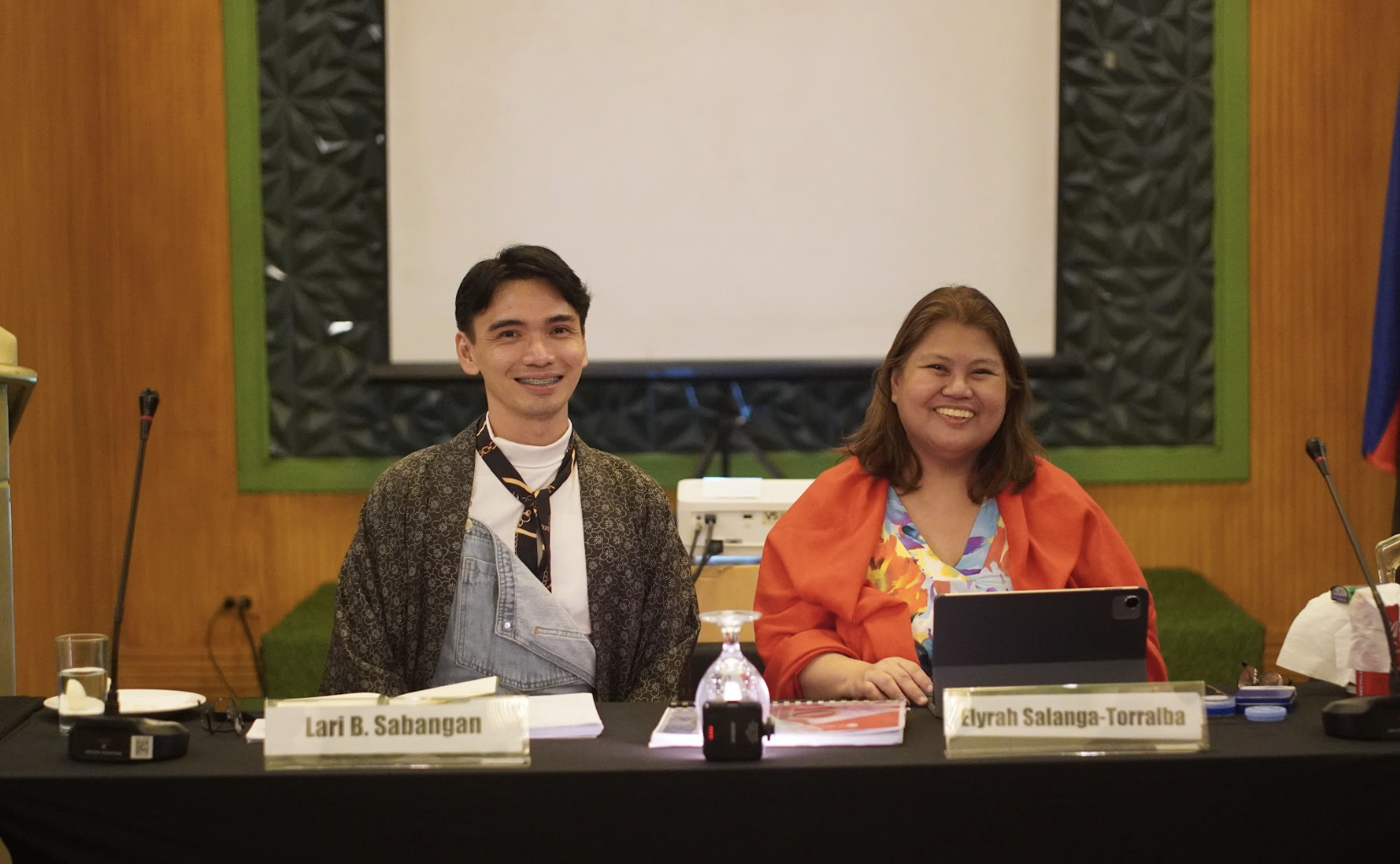
“Tungkol sa bata, pero hindi panitikang pambata,” was Will Ortiz’s evaluation of the work, describing the child narrator’s sensibilities as too mature and discerning. Elyrah Salanga-Torralba and Eugene Evasco expressed similar concerns. While the former viewed “Birthcage” as too philosophical and cerebral, the latter maintained that the narrator lacks the necessary agency implicit in hopeful, empowered Children’s Literature: “Ang bata ay hindi lang [dapat] nagmamasid, kundi kumikilos.”
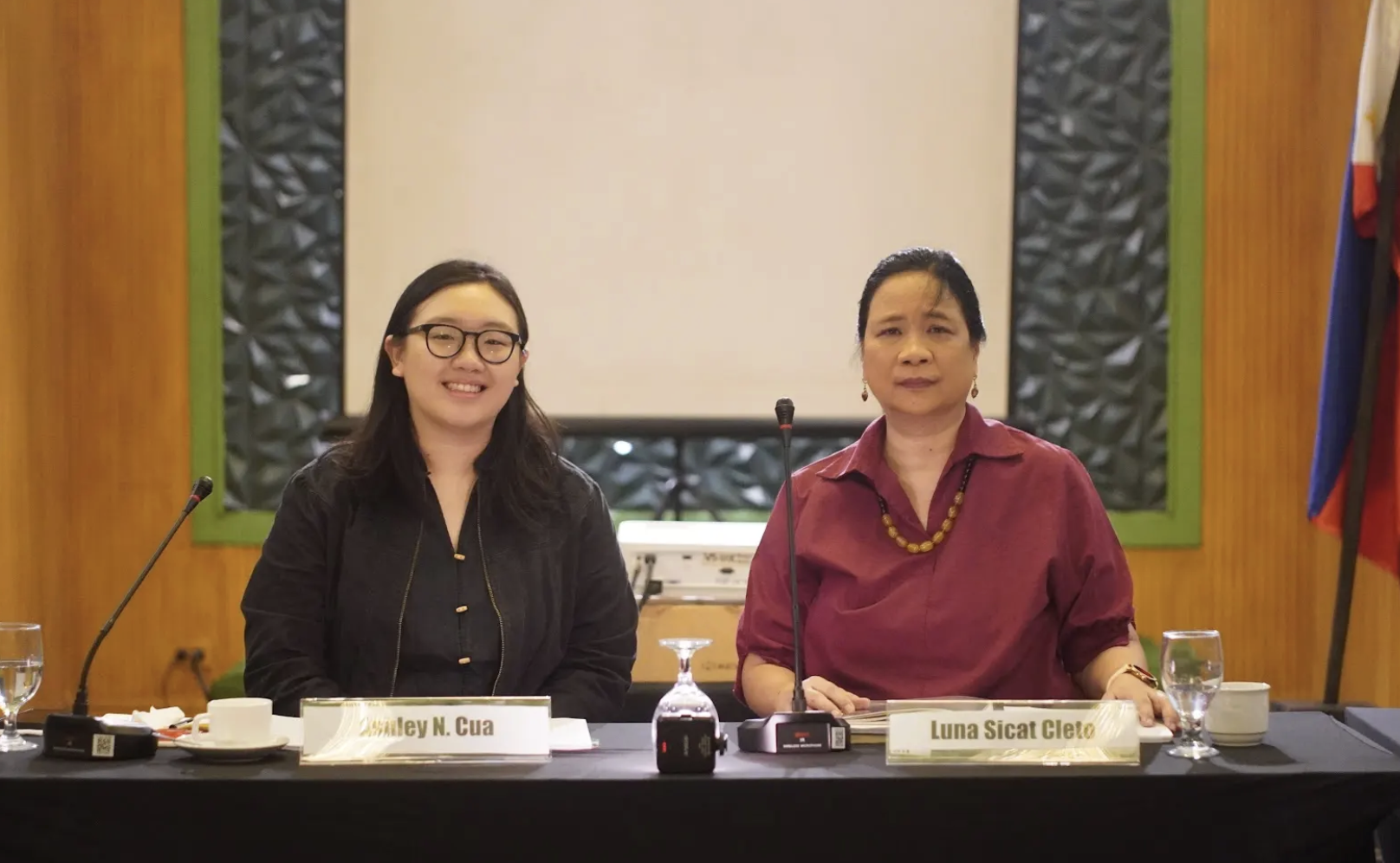
In contrast, Luna Sicat Cleto contended that it is precisely the work’s thoughtful dissection of trauma, neglect, and the idea of preordained misfortune that could prove crucial to the self-development of adolescent readers. She also commended Alvarez for fashioning the family after a nation——through such asymmetrical privileges and affections, one can perceive that there are first-class and second-class citizens within the unit.
Closing the session, fellow Khristina Alvarez admitted that her fascination with dichotomies greatly influenced the work’s themes: tenderness and violence, desire and disgust, attraction and repulsion. Primarily a poet, she also revealed that she often lets the language lead, rather than narrative logic or structure; in fact, she had first fallen in love with writing for its “magical and transformative quality.”