Workshop Session 4, 65th UPNWW: Her Shadows in Daylight by Allene Allanigue, Fellow for Novel
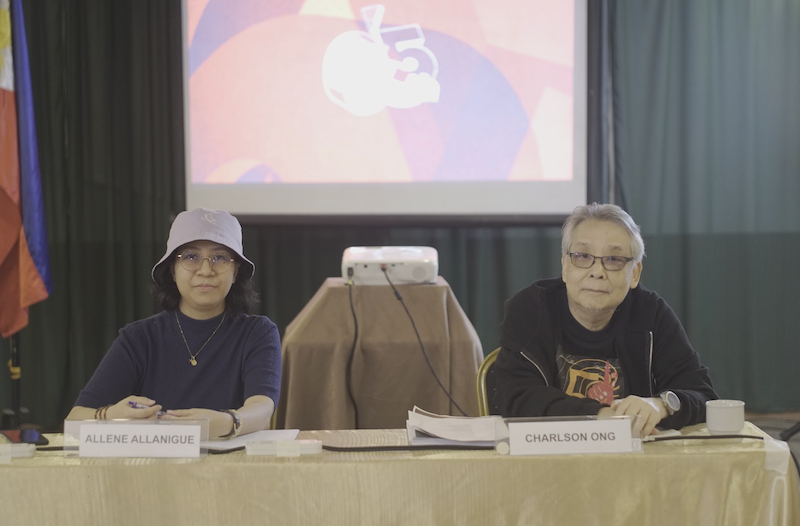
Moderator: Charlson Ong
Written by Danielle Veniegas
“We often hear it said that psychology is the handmaid of literature, of the novel. [Ang] isa sa pinakaimportante sa writer ay empathy—ang kanilang emotional quotient.”
To introduce Allene Allanigue’s novel-in-progress Her Shadows in Daylight, Charlson Ong traced the rise of psychological or character-driven writing in literature, citing as prominent examples authors Henry James, Marcel Proust, and William Faulkner, as well as local works such as Nolledo’s But For The Lovers. According to Ong, the impulse to investigate our inner lives—the underlying mechanisms of thought, action, and behavior—drives most writers, including himself. Ong views Allanigue’s novel-in-progress as rooted in her practice as a psychologist. Premised on vigilante killings, the ultimate task of Her Shadows in Daylight is to develop its core themes of crime, atonement and remorse.
During her poetics presentation, Allanigue revealed that she views writing as an extension of her clinical practice. In recognizing her limitations as a psychologist, she chose to instead use language as an instrument for restructuring inner experience— “Reclaiming begins by returning agency to the person. Even if it’s just through fiction.” Allanigue also emphasized her central preoccupations across all her writings: “…the fragile spaces where individual and collective healing may still be possible.”
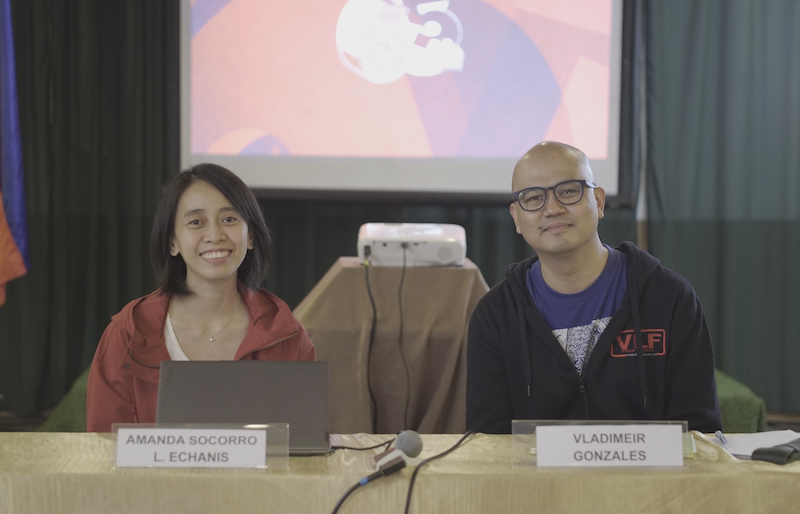
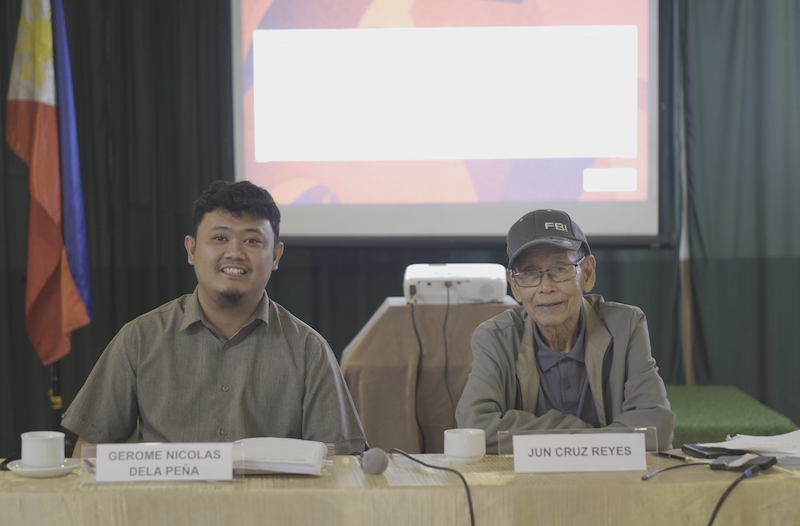
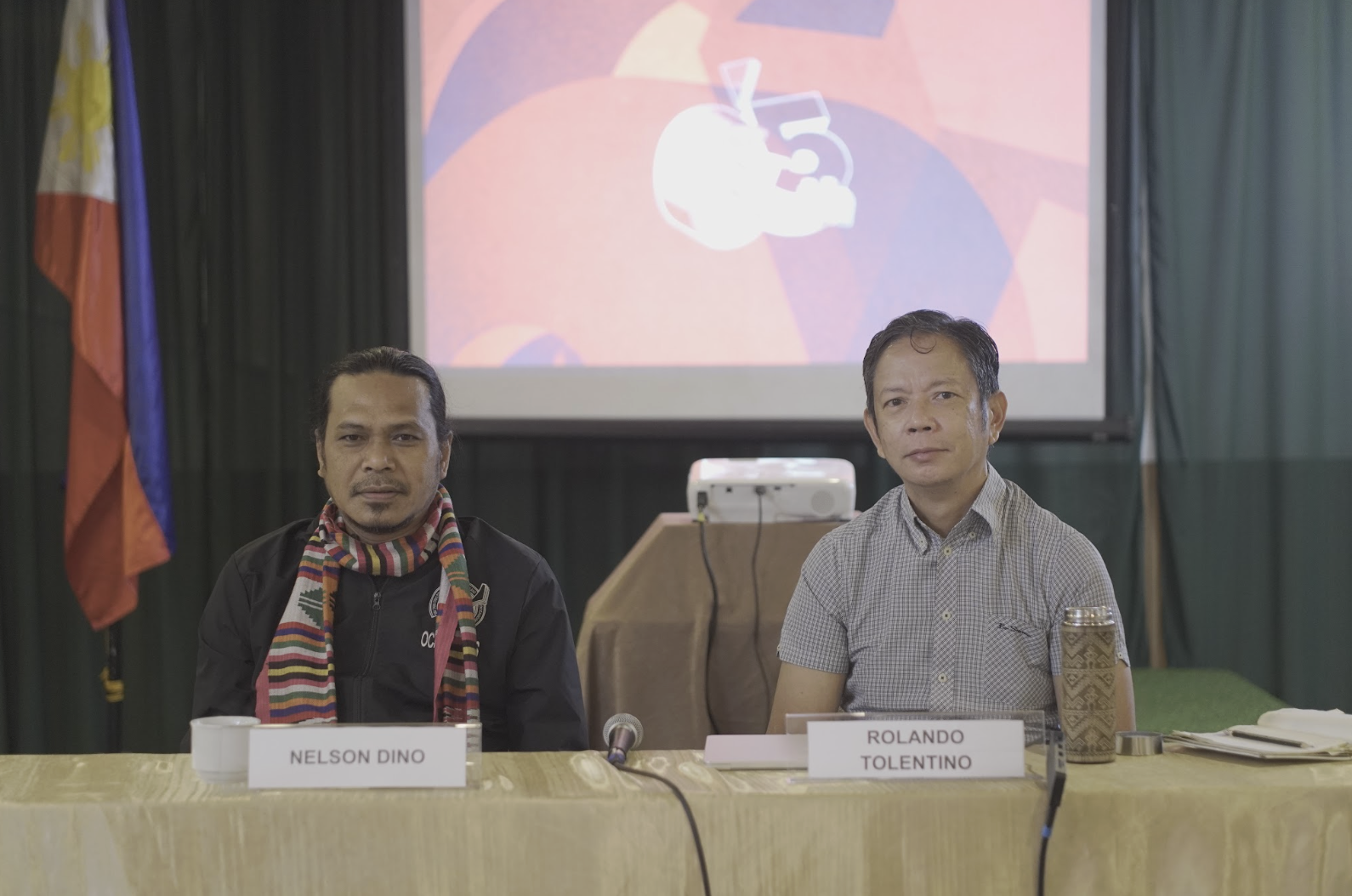
Fellows such as Gerome Dela Peña and Andrew Clete lauded how Allanigue’s psychology practice visibly enriches and deepens the work, with the former describing it as a unique addition to the rich tradition of Philippine crime and noir fiction. Meanwhile, Mubarak Tahir and Nelson Dino acknowledged the importance of Allanigue’s project, as literature—and the novel, in particular—is adept at addressing and confronting sensitive subject matter that may be taboo in certain social spheres.
One prominent point of criticism, as raised by Dr. Luna Sicat Cleto and Dr. Will Ortiz, is Allanigue’s monotonous, almost facile prose. While the latter suggested leveling the novel-in-progress with humor or levity, the former advised Allanigue to more deeply and purposefully investigate the shadowy contours of the “…face of violence.” Fellow and panelists also expressed their hope that Her Shadows in Daylight continue to develop the thread of violence as systemic, rather than simply a series of individual choices—as Amanda Echanis puts it, “Kung sistematiko ang karahasan, nararapat na sistematiko at kolektibo ang resolution.”
Lastly, Dr. Eugene Evasco expressed his admiration for Allanigue as a self-trained, self-published author. In response to Evasco’s concerns of client confidentiality, Allanigue also disclosed that the characters of her novel-in-progress are simply composites of her clients, loved ones, and people she has encountered throughout her life—patterns rather than distinct, whole personalities. The session ended with Allanigue expressing her thanks to the fellows and panelists.