Session 11: The Durian Catcher
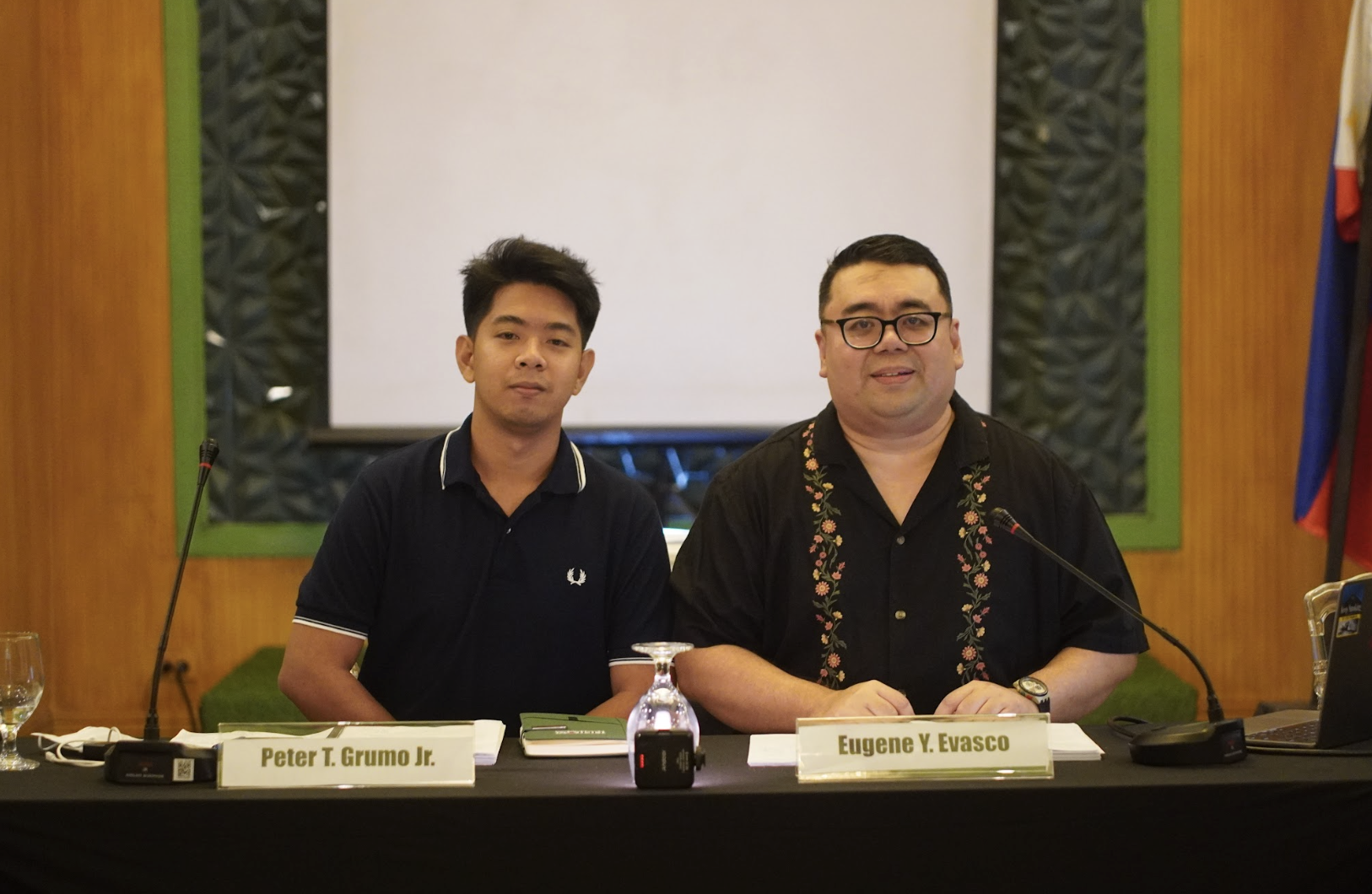
Fellow: Peter Jr. T. Grumo
Moderator: Eugene Y. Evasco
“Sa kwentong pambata, ang batang tauhan ay ‘di na nangangailangan ng permiso sa matatanda. May kapangyarihan silang sumuway at gumawa ng sariling landas.”
In his craft lecture, “Pagsulat na May Ilustrasyon: Panimulang Pagtalakay sa Anyo ng Picture Book,” Eugene Evasco introduced Peter Jr. T. Grumo’s “The Durian Catcher” as having great potential to be a picture book, with its clear, simple exposition and strong central metaphor that speaks to the essential qualities of the form. Before opening the floor to the fellows and other panelists, he brought attention to a certain aspect of the work much needed in Children’s Literature, as he has reiterated throughout the workshop sessions—a child’s agency and freedom to create their own destiny.
Many fellows also found Grumo’s work to be rich in potential and instructive value: Alma Tucay described its easy, lighthearted language to be perfectly suited to elementary-grade readers. Meanwhile, Alpine Moldez proffered that the work can also be developed into a Young Adult novel, as it depicts with tact and measure societal issues such as poverty, lack of educational opportunities (particularly in indigenous communities), and how the patriarchal system harms both women and men. Due to the work’s subversion of stereotypical gender roles—as seen in character Anton’s adoption of a nurturant, caretaking role—Mia Baygan pointed out that it could help address the existing dearth of educational Gender Representation Material in the Philippines.
Similarly praised were the work’s tenderhearted themes and core message, with Khristina Alvarez noting its closing line—“I believe in you”—as something many children need to hear. Luna Sicat Cleto also likened the work to Carlos Bulosan’s America Is in the Heart in its “deceptive simplicity,” impressing without naivete or condescension the value of determination.
While most appreciated the durian’s profound symbolization of one’s dreams, duties, and the painful realities of life, Elyrah Salanga-Torralba suggested expanding this to better accommodate the fragile, precarious quality of Anton’s aspirations. She also advised Grumo to dramatize the very act of catching durian, perhaps to tie in with themes of community and care. Another much-critiqued aspect was Anton’s passivity and unearned virtue: Kalay Brillo and Erik Pingol suggested that complicating or raising the stakes could develop Anton’s “grit” as a character—and also make for a more satisfying resolution.
Lastly, Maverick Alviar and Lalaine Yanilla-Aquino confirmed if Anton was a queer-coded character, with the former offering that such representation provides a relatable figure to children who “want or dare to be different.”
To close the session, Peter T. Grumo, Jr. revealed that he had originally written the work for readers aged 9 to 12, thanking the fellows and panelists for calling attention to the many forms it could take. He also explained what the durian metaphorizes exactly: the challenges or struggles in life that one must fearlessly “catch.” “The Durian Catcher,” he emphasized, is a project much rooted in his conviction that all children have the right to education: “Gusto kong paaralin lahat ng bata sa Pilipinas.”